Building New Urban Growth
How to implement sustainable urban growth

In the eyes of some people, the word sustainability has become a bitter term of political tyranny. Confiscating a reasonable concern into an abusive political narrative is nothing less than a disappointing deception. And yet, one of the most important negative aspects to sustainability is seen in the sprawl of urban growth.
Many places in Western Society with tract-style housing and the increasing proliferation of apartments, are the designs which are only meant to serve as lucrative revenue streams. Once referred to as a family home, far too many houses have been replaced as crowded profit centers of housing developments and apartments. Meandering roads, open space and nature’s greenery has been scalped. The once picturesque scenes of serenity are now lined with the cold brutality of asphalt, curbs, gutters and zero lot-lines.
There are many people who enjoy the bustle of city life, the social noise of bars, restaurants, busy coffee shops, the busyness of clicking keyboards, and the excitement of coliseum sports and concert events. Others prefer the quiet serenity of nature’s voice.
Addressing sustainability, for viable areas in new urban growth, is with real estate development in transit-oriented designed neighborhoods. Building new urban growth along existing transportation corridors provides appropriate higher density with vertical residential and commercial growth. Transit oriented development using transportation with advanced transit technology for residents can provide the convenience of localized transit access. This type of higher density growth within existing transit corridors allows preservation for land-use of existing larger residential lot sizes, agriculture and nature.
The structure of human social development caters to an average person’s circle of personal relationships at about 100 people. This is used as the target standard for a comfortable neighborhood size within residential developments for less than 100 families. The other essential to a living environment is greenery, dirt, trees, and recreation. This same philosophy of social construct for sustainable transit-oriented developments with apartment dwellings encourages land area of dirt access for gardening and child entertainment. The larger the dwelling development, the more land access is needed for the psychological effects of privacy and grounding meditation. The importance of accessibility to open public area is for human development to the lives of those living in those development areas. The lives of a development’s residence are valid description of environmental equity. The social aspect of raising families in a sustainable environment is valid as justice. The negative impact to hundreds of residences is a reasonable concern that outweighs excessive profiteering to property developers or their shareholders.
With an advanced modern technology transit system, it encourages high density real estate development along transportation corridors and increases convenience. This adds sustainability aspects into expanding urban growth with the advantage of localized and regional transit.
Living spaces are meant to be pleasurable and personally profitable to those choosing them as homes. Accessibility to transportation convenience is to be a reward instead of a punishment at the expense of a real estate developer’s profitability.
Legislation
California’s legislation has been pursuing the removal of vehicle miles traveled (VMT) for more than three decades. By enacting the use of the existing allocated light-rail ROWs with modern advanced transit technology systems, this type of innovative transit system development reaches into sustainable legislative parameters for urban growth. And it does so with full transportation benefits to all area residents. The fundamental duty of legislators and every level of government official above every task, is to improve quality of life; and this provides it without sacrifice.
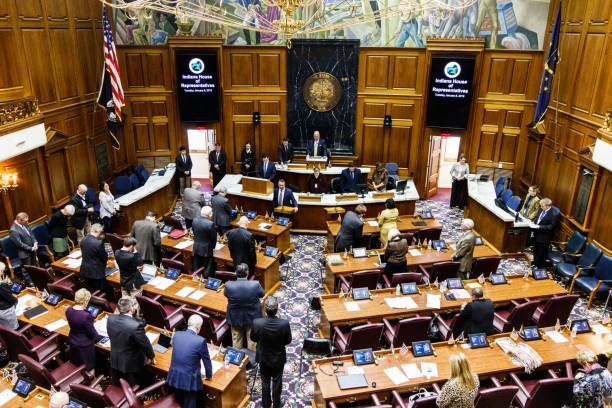
The government has assigned itself control with responsibility for planning urban growth. California’s Environmental Quality Act (CEQA) was signed into law by Governor Ronald Reagan in 1970. It requires an Environmental Impact Study (EIS) to produce an Environmental Impact Report (EIR) for every government and large development project. The normal procedure for lead agencies regarding negative traffic impacts, is to merely stamp the EIR with an “infeasible” Mitigated Negative Declarations (MND) and the project is allowed to continue. This approach alleviates the necessity to conform to the strict requirements in the California Environmental Quality Act (CEQA). This is the government process to ignore and sidestep its own mandates.
Political hurdles
There is a conundrum in passing strict environmental legislation just to ignore it. This clarifies the government as the largest operational bureaucracy. It also exemplifies the only function of bureaucracy, which is to enlarge itself. Since the enemy of bureaucracy is innovation and government is risk averse, supporting development to implement new and advanced transit technology is impossible with government support.
Hence, six decades of empty allocated light-rail rights-of-ways and the furtherance to implement horridly and unnecessary antiquated rail projects. But, it’s the political process to embrace embedded lobbyist’s efforts.
Calendars signify entry past the quarter mark into the twenty-first century. How backwards is the USA in transportation? Space travel is an important function of transportation. NASA was established in 1958; its current annual budget is $25billion with a staff of 18,000 employees. This large bureaucratic agency stranded their astronauts on the Space Station for several month until a single man not related to any government agency, sent his own rocket to rescue them.
This is an example of why innovation is imperative for allowing advanced transit systems technology to be implemented as solutions for sustainable transportation into urban growth.
Replacing cars
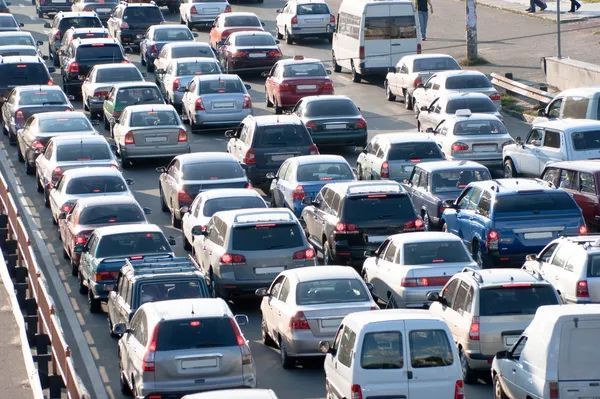
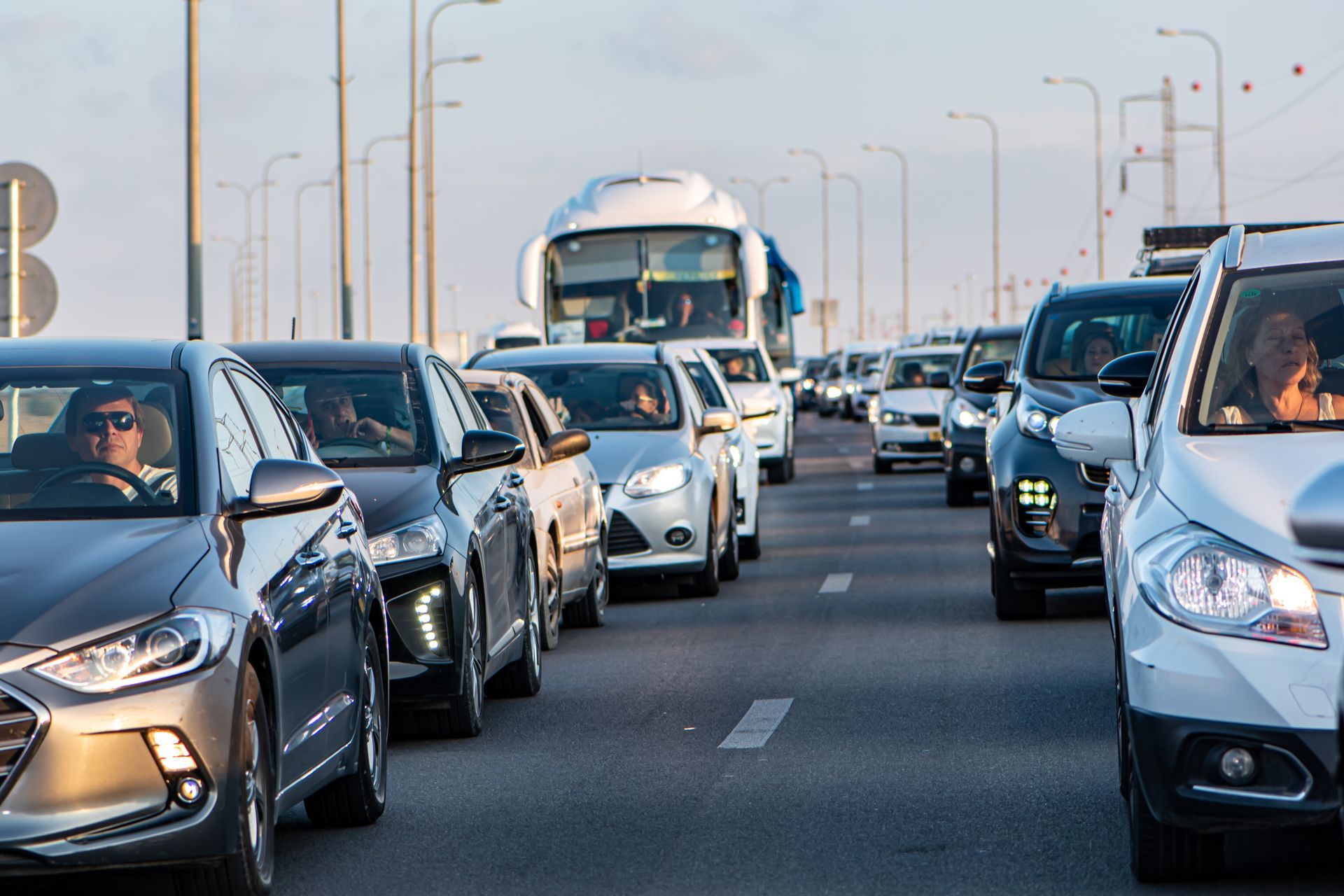
Automobile centric land-use requires cars. Western Society’s land-use design is dysfunctional without them, nearly everyone is dependent upon cars for transportation, goods and services. One of the public fears is loss of their car. Talk about sustainability is unpopular because most people know that nothing about a car is sustainable. Compound that with talk about; if the existing allocated light-rail ROWs are actually used to implement New Technology Transit systems into those corridors.
The public market is fixated on cars, it’s a land-use issue of dependency from being an automobile centric land-use design. Cars can only be replaced when the market is presented with a vehicle that is faster, more comfortable, more convenient, less expensive and safer than a car. There’s currently nothing being developed to offer these items of interest, necessary to replace the car.
Conclusion
How is it possible to build sustainable urban growth? Changes to the future, require actions that alter things we do today. https://www.cattcc.org/incremental-steps
Automobiles have been used as the primary source of transportation in Western Society about 100 years. Modern technology has changed culture. A tendency in human nature is to cling onto what they have but, social trends are as temporary as ocean waves. The preceding article: Incremental Steps was an outline of how to move towards sustainable transportation.
Although sustainability of urban growth is extremely important, it is only seen as a passing trend. A single human is totally insignificant on the global perspective, yet, the perspective to each individual; the global scale is irrelevant. Sustainability is an unaccountable moral responsibility. The cultural attitude holds no accountability of responsibility for the actions of other people. And a significant segment of society claims victimhood as their moral rights.
The deep aspects of human psychology are affected by urban growth. Sustainability of urban growth is environmental, economic, and social. The foundation to all urban growth is its primary source of transportation. With the automobile being wholly unsustainable, establishing an entire type of land-use upon an unsustainable source of transportation; is problematic.
CATTCC.org
Sustainable Transportation