Innovation vs Conformity
People like things to remain the same
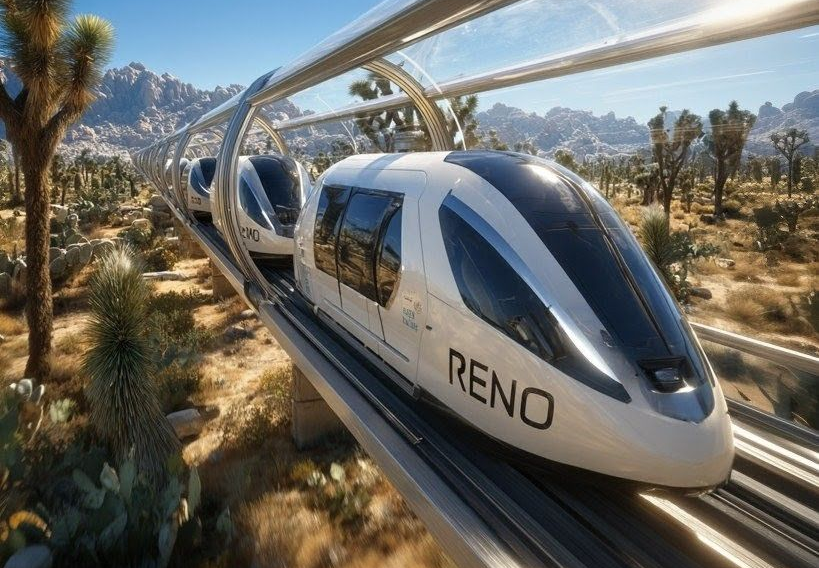
photo credit: pexels and LasVegasLocally
People, as a general rule to societal behavior, like things to remain the same. Change requires a certain uncomfortable amount of emotional effort. Routine is a comfortable security. This is spoken as a generality.
Knowing this as a foundational principle, applies to transportation and urban growth. This doesn’t require a doctorate in human behavior from an Ivy League University. Basic social behavior is predictable by watching a mirror.
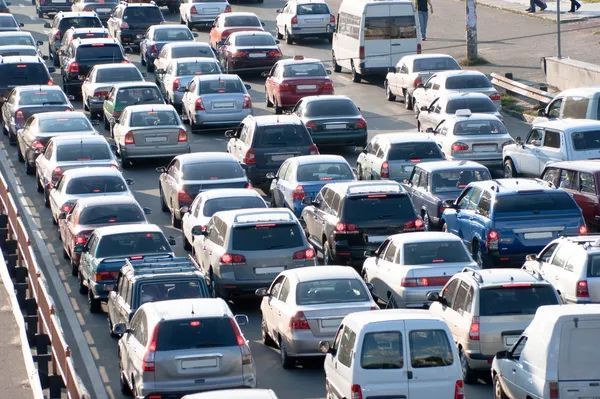
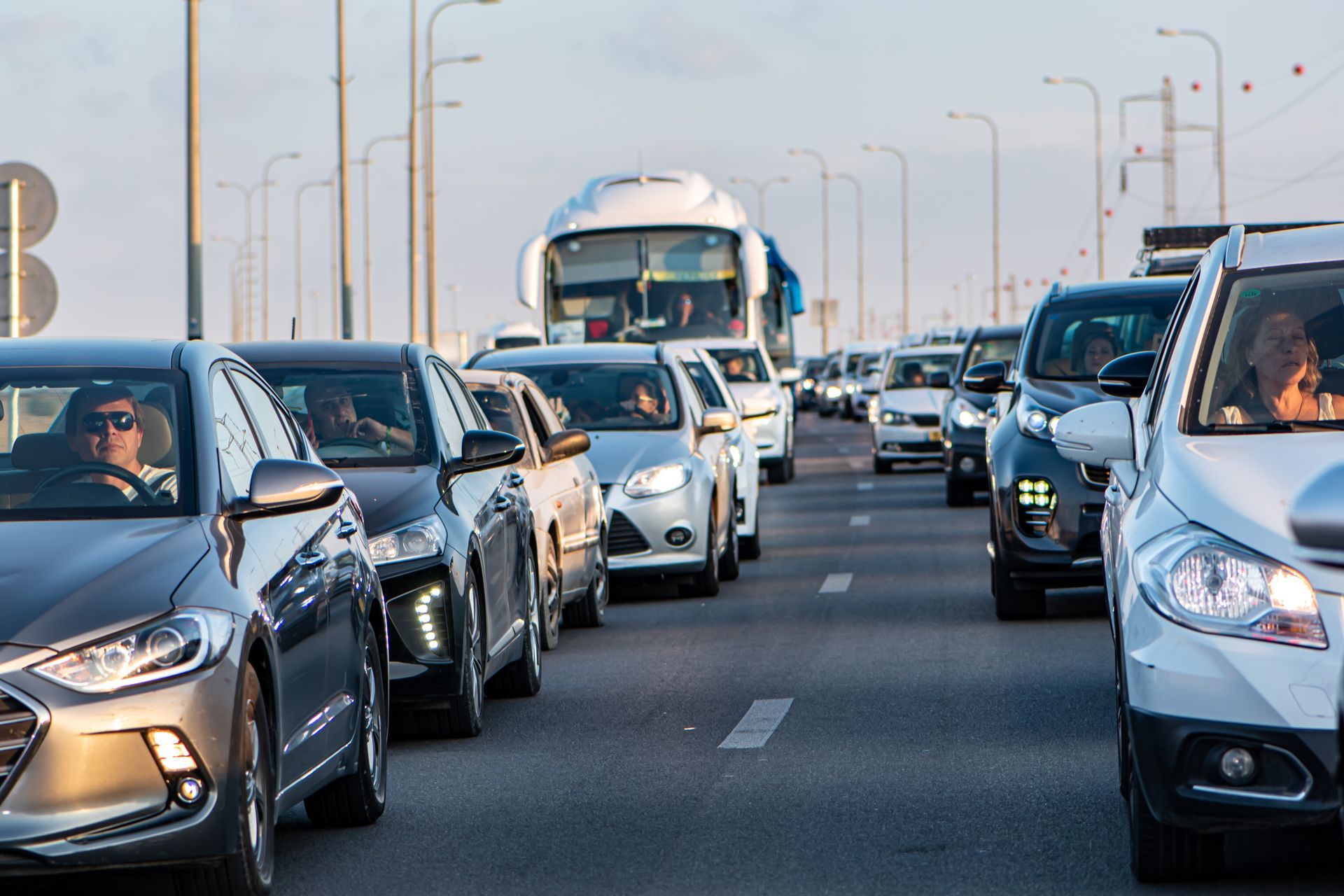
Innovation versus conformity. What’s this about? Urban growth is the process of building upon the foundation of society’s primary source for transportation. Over the past 100 years, society has changed. Over the past 50 years technology has changed society. Yet, transportation is identical to what it was 50 years ago.
Is it a terrible thing? Perhaps yes. Is it stifled growth? It seems so. Western civilization is dependent upon the automobile. Is it a tragedy? Everyone knows someone whose life was terminate in a car wreck. Why? Because cars are an obsolete 125-year-old technology. It doesn’t fit into today’s technologically advanced society. It’s a stubborn comfort of the past. Some of society’s most sought-after cars are high-end sports cars. A comparison of high-end sports cars of the 1960s and 1970s look identical in design to high-end sports cars of today.
Why are cars still the obsolete norm of technology? The government’s only source of income is from taxes, and it regulates the roads and transportation. Add to that: innovation is the enemy of bureaucracy. Managing people’s behavior is a normalized position of political power. Nothing changes. The sole function of bureaucracy is to enlarge itself. The example is seen in large companies and the government. Bureaucracy is a tiered system with low level slave type workers at the bottom of the tier layers. Rising from the bottom layer of work, where actual work is accomplished, is overseen by a near infinite number of management layers. Above the management layers are the controllers who, along with the bureaucratic corporate lobbyists: the manipulators; are the only beneficiaries of the system. The roles constantly change, as people within the system rise and fall.
Good innovators can build bureaucracies. Two examples are Blackrock and Tesla. Their financial strength rivals any government bureaucracy. Their goals are the same: to enlarge themselves.
Being cognizant of these things, and writing about it merely identifies the challenges of implementing change. Is there any relevance or particular strength in being aware of it? There might be wisdom gained in awareness. Yet, the most important thing that matters to every person is looking into their mirror which reflects a smile. Knowingly or not, every smile displays an attitude of gratitude.
This article has more than opining about the challenges of societal patterns. It sets up the question of how this affects today’s transportation. All urban growth is based on its primary source of transportation. Over the past 100 years, the level of technological advance and towards a social achievement for the betterment of society has blossomed into a nightmarish transportation stagnation.
Today’s social term of modern-day philosophy is: fuckyouism. This is antithetical to any sense of conforming alliance, instead it’s indicative to greed. Or, at the very least, it represents a social attitudinal reaction from deception, discontentment, and the frustration of constantly being lied to.
Innovation is the only practical possibility for advancing transportation. Even though the function of advancing transportation is to implement a higher quality of life which includes greater independence and sustainable urban growth.
Change happens with opportunity. Society switches to something new when the offer becomes available for something better, more convenient, faster, or cheaper.
The general public will abandon cars as soon as something better, more convenient, faster, more comfortable, more efficient, less expensive, and safer is made available. A vehicle that floats and its movement is powered by a separate efficient energy source. Traveling without roads, operating in designated corridor networks for heavy traffic loads, require vehicles that allow independent driver/passenger start-point to destination capability. This is the technology that will change modern society’s transportation.
To anyone saying such a thing is futuristic fantasy; what is a mobile phone? The only piece awaiting discovery is the levitating vehicle. Western society has entered the second quarter of the 21st Century. Technology will soon reach the transportation industry.
Planning the new mode of transportation
There’s a plethora of CATTCC articles written about new concepts in transportation. The need for transportation is in two areas: short-distance and long-distance travel.
The first area is short-distance travel. There are incremental steps to implement new technology change for short distance transit. Of the incremental steps, the soonest opportunities for innovation to transportation is with new technology transit systems.
The contention in mentioning autonomous automobiles as innovative: new computerized image sensoring is from satellite, data storage and the information industries. The automobile used as a mode of transportation is a 125-year-old technology.
The article: Exploration of Levitation provides a good explanation to CATTCC research as it seeks to discover a methodology of interacting with Earth’s electromagnetic structure to build a levitating device for transportation. Thus far, we see that Levitation is Molecular Vibration. The several articles highlighting Viktor Grebennikov’s theory for Cavity Structures Effect, such as: Levitation, Solve for A+B, that explore possibilities to design an apparatus that engages in a way for transportation to engage Earth’s magnetosphere.
Secondly is long-distance travel. The ultra-high speed for long-distance and space flight entails new perspectives beyond traditional concepts of propulsion. Innovation with fast Earth bound transportation are ET3 and hyperloop, which provide ground based travel.
There are many ways to find new transportation advances. CATTCC provides many concepts and ideas to explore, along with the necessity of building sustainable urban growth.
Change happens with innovation. Stagnation and atrophy happen without movement.
CATTCC.org
Sustainable Transportation